
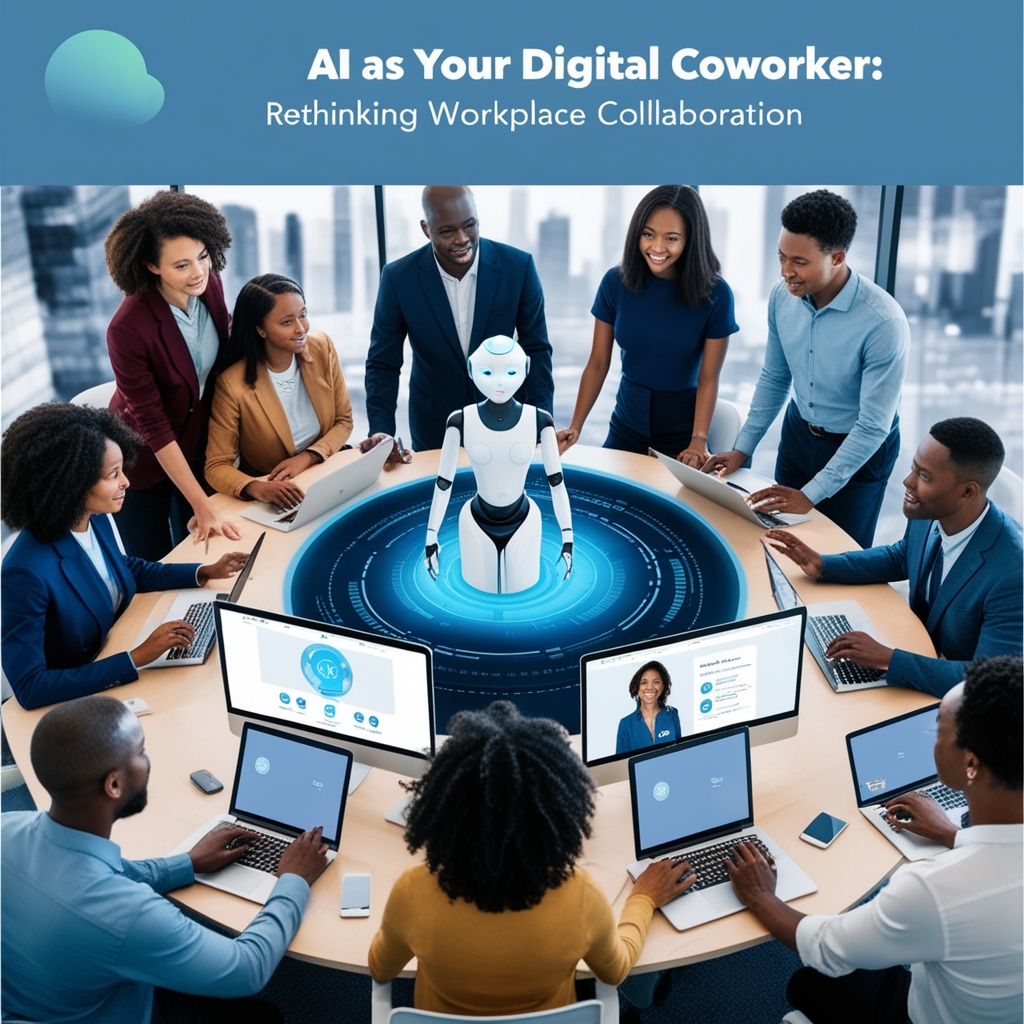
Artificial intelligence is no longer just a tool for automating repetitive tasks or an innovative concept. In today’s work environment, AI is transforming how people collaborate and how work gets done. Instead of being a passive colleague, AI is beginning to act as a digital coworker. AI is actively participating in decision-making and workflows.
This changes the way we think about communication, productivity and the relationship between machines and humans.
Table of Contents
ToggleFrom Tools to Teammates
For many years, Artificial intelligence was used mainly as a tool. It helped create reports, handle basic automation or analyze data. While these features were useful, AI worked in the background and stayed separate from everyday human decision-making. That is now changing.
Today’s AI systems are more robust and advanced. They can learn from patterns and offer helpful suggestions in real time. Instead of just following user instructions, AI can support people by spotting possible problems early and tracking progress.
This is changing how people work. Teams no longer use AI only to finish work faster. They work with an AI digital coworker. By taking care of routine checks and repetitive tasks, AI allows people to spend more time on planning, collaboration and creative work.
How AI Supports Collaboration
AI can improve teamwork in many ways. One of the key areas is task management. AI-powered systems can keep track of workloads, deadlines and suggest changes when a project starts falling behind. This helps teams stay organized without manual follow-ups.
AI also makes knowledge sharing simpler. It can fetch important points, sort documents and quickly find the right information when someone needs it. Instead of searching through long files or folders, team members get answers faster.
Communication is another area where AI contributes. Smart AI tools can highlight important messages and suggest clear replies. This reduces time spent on conversations and helps teams stay focused.
When it comes to decision-making, AI can support the process by analyzing large amounts of data, identifying patterns. People still make the final decision, but they do so with better information.
By taking care of these daily tasks, people can focus on what matters most like strategic planning, creative thinking and strong human connections at work.
Real-World Examples of AI as a Coworker
Project Management Platforms
Tools like Asana and Monday.com are integrating AI to suggest optimal timelines and task assignments.
Data Analysis
AI analyzes patterns in user behavior, sales, operational data, giving teams actionable information faster.
Customer Support
AI chatbots handle general queries and escalating only complex cases to human agents.
Content Creation
AI can summarize research, draft proposals or generate marketing copy while the team refines and edits.
These examples show that AI does not replace human effort. Instead, it strengthens human capability.
Benefits of AI digital coworker
Better Decision-Making
By providing real-time insights from data, AI helps people make better decisions by quickly evaluating different factors that would take humans much longer to process.
Enhanced Collaboration
Teams that use AI can reduce overload, share information easily and work together more smoothly across different projects.
Increased Productivity
AI reduces the time spent on daily tasks, allowing people to focus more on creative work and strategic thinking.
Reducing Workplace Stress
AI handles reminders and routine tasks, helping reduce stress and lower the risk of burnout in work environments.
Challenges to Consider
Using AI as a digital coworker brings clear advantages and it also comes with challenges that companies need to think about carefully.
Data privacy is the main concern here. AI systems depend on large amounts of data, so protecting personal information must be a top priority.
Fairness and bias are also one more important issue. AI can reflect the biases present in the data it learns from. Regular reviews and monitoring help ensure decisions remain balanced.
Another challenge is employee acceptance. Companies need to understand how AI supports their work and feel comfortable trusting its recommendations. Clear communication and change management play a big role here.
Finally, integrating AI into existing workflows is not always easy. It requires planning, testing and continuous evaluation to make sure the technology fits naturally into daily operations.
How to Implement an AI digital coworker Successfully
Start Small
Introduce AI in work by focusing on tasks that clearly benefit from automation. This helps teams see value early without disrupting existing workflows.
Encourage Collaboration
Position AI as a partner rather than a replacement. Highlight how it helps in work and makes daily tasks easier instead of creating fear about job security.
Educate Teams
Understand what AI can and cannot do to set realistic expectations. When people understand AI’s role, they are more likely to use it effectively and confidently.
Monitor Performance
Review AI outputs regularly to ensure they remain fair, accurate and relevant. Ongoing checks help maintain reliability and trust.
Take Feedback and Improve
Use regular feedback from team members to refine how AI is used. Continuous improvement ensures AI stays aligned with actual needs and delivers better results.
The Future of AI in the Workplace
The future workplace is likely to include AI as a teammate across many companies. From project planning to marketing and customer support, AI will help teams make more informed decisions.
Organizations that treat AI as a coworker rather than just another tool are more likely to perform better. By working with AI, they can improve efficiency while also building a culture that encourages learning, adaptability and innovation.
Conclusion
AI is no longer limited to handling individual tasks. It is becoming a digital coworker that can connect with teams, support daily work and offer guidance. When organizations adopt AI like this, they open the door to improved productivity and a healthier balance in the workplace.
Seeing AI as a coworker takes careful planning, regular oversight and trust. However, the ongoing benefits are clear. The future of work will be shaped by AI and humans working together, creating more adaptable and effective teams.
Frequently Asked Questions (FAQ)
Is AI going to replace human workers?
No, AI does not replace human work. Instead, it supports it by taking over daily work and giving people more time to focus on creativity and critical thinking.
What does it mean for AI to be a digital coworker?
AI actively takes part in decision-making, daily workflows and works alongside human teams rather than functioning as a passive tool.

One thought on “AI as Your Digital Coworker: Rethinking Workplace Collaboration”